There’s a special kind of satisfaction that comes with uncorking a bottle of wine. The gentle pop, the anticipation of the first pour – it’s a ritual, a moment of connection with tradition. While electric gadgets promise effortless opening, many wine lovers still champion the reliability, tactile pleasure, and timeless design of a good old-fashioned manual wine opener. If you’re searching for the best non-electric wine opener, you’re looking for more than just a tool; you’re seeking a blend of craftsmanship, efficiency, and a touch of the romantic.
The Enduring Appeal of Non-Electric Wine Openers
From the humble corkscrew’s origins to the sophisticated designs we see today, non-electric wine openers have gracefully evolved, yet their core principle remains unchanged: reliable, human-powered precision. In a world increasingly dominated by automation, there’s a certain charm in taking control of the uncorking process. These tools don’t need charging, they won’t run out of battery mid-celebration, and they offer a level of portability and durability that electric counterparts often can’t match.
“The beauty of a non-electric wine opener lies in its consistency and the connection it fosters,” says Evelyn Reed, a renowned sommelier. “There’s an art to it, a rhythm that electric openers simply can’t replicate. For true wine appreciation, sometimes less technology means more experience.”
Navigating the World of Non-Electric Wine Openers: Types and Features
Choosing the best non-electric wine opener means understanding the different styles available and what makes each unique. Each type offers distinct advantages, catering to various preferences and occasions.
The Classic Waiter’s Corkscrew (Sommelier Knife)
Often regarded as the professional’s choice, the waiter’s corkscrew is a compact, multi-functional tool resembling a pocket knife. It typically features a spiral worm, a small serrated knife for foil cutting, and a lever (often double-hinged) for leverage against the bottle rim.
This style is prized for its portability and versatility. It’s perfect for picnics, travel, or keeping discreetly in a kitchen drawer. While it requires a bit of practice to master the two-step leverage system, once you get the hang of it, it’s incredibly efficient. It’s the go-to for many who value tradition and a sleek design.
The Effortless Lever-Style Opener (Rabbit-Style)
For those prioritizing ease and speed, the lever-style opener, often dubbed a ‘Rabbit-style’ opener due to popular branding, is a game-changer. These typically larger devices cradle the bottle neck, and with a simple push and pull of a lever, the cork is extracted in seconds. Many models include an integrated foil cutter, streamlining the entire process.
The main draw here is the minimal effort required. It’s an excellent option for individuals with less hand strength or those who frequently open multiple bottles. However, their larger footprint means they’re less portable and can be pricier than other manual options.
The Familiar Winged Corkscrew
Perhaps the most recognized design in home kitchens, the winged corkscrew is a straightforward and intuitive tool. As you twist the central screw into the cork, two ‘wings’ on either side rise. Once fully raised, you simply press these wings down to effortlessly lift the cork from the bottle.
This style is user-friendly and doesn’t demand much technique, making it a popular choice for casual wine drinkers. While generally reliable, some less robust models might struggle with very tight or synthetic corks, and the quality of the ‘worm’ (the spiral screw) can vary greatly, impacting performance.
The Specialized Two-Prong Puller (Ah-So Opener)
The Ah-So opener, also known as a two-prong cork puller, is a specialized tool beloved by connoisseurs for its ability to extract old, fragile, or brittle corks without piercing them. Instead of a screw, it features two thin metal prongs that slide down between the cork and the bottle neck. Once fully inserted, a gentle twist and pull removes the cork intact.
This opener is fantastic for vintage wines where cork integrity is paramount, preventing breakage and crumbling. It does, however, have a steeper learning curve and is not typically recommended as an everyday opener for new wine enthusiasts.
The Simple Twist-Style Corkscrew
The most basic form of a corkscrew, this minimalist tool consists of a handle and a spiral worm. You twist the worm into the cork and then pull directly to extract it. While incredibly affordable and compact, it requires the most direct pulling force, which can be challenging for some users, especially with stubborn corks. It’s a no-frills option for those who appreciate simplicity and don’t mind a bit of elbow grease.
How to Master Your Non-Electric Wine Opener: A Step-by-Step Guide
Regardless of the type, a few universal steps ensure a smooth uncorking experience.
- Remove the Foil: If your opener has a built-in foil cutter (like many waiter’s and lever-style models), use it. Otherwise, a small knife or dedicated foil cutter will do the trick. Cut around the lip of the bottle, just below the flare, and peel off the foil.
- Position the Worm/Prongs:
- Waiter’s/Winged/Twist: Center the tip of the spiral worm over the cork.
- Lever-Style: Position the opener firmly over the bottle neck, ensuring the worm is centered.
- Ah-So: Gently slide the longer prong between the cork and the bottle, followed by the shorter prong, rocking gently until both are fully inserted.
- Twist It In:
- Waiter’s/Winged/Twist: Steadily twist the worm clockwise until it’s almost fully submerged, leaving one spiral exposed. Avoid twisting too far, which can push cork bits into the wine.
- Lever-Style: Engage the lever mechanism as per your model’s instructions, typically by pushing down to drive the worm into the cork.
- Ah-So: Once prongs are inserted, twist the opener a half-turn while pulling upwards.
- Extract the Cork:
- Waiter’s: Use the first lever against the bottle rim, pulling the handle up until the cork is partially out. Then, switch to the second, shorter lever for the final pull.
- Winged: Press down both wings simultaneously.
- Twist: Pull the corkscrew straight up with firm, steady pressure.
- Lever-Style: Pull the lever up, and the cork should smoothly emerge.
- Ah-So: Continue twisting and pulling gently until the cork is free.
Tips for Longevity: Care and Maintenance of Your Manual Corkscrew
To ensure your best non-electric wine opener serves you for years, a little care goes a long way.
- Cleaning: After each use, wipe down the worm and any other parts that came into contact with the cork or wine with a damp cloth. For sticky residues, a mild soap and water solution followed by a thorough rinse and dry is best. Avoid harsh abrasives or dishwashers, especially for models with wooden or delicate finishes.
- Storage: Store your corkscrew in a dry place to prevent rust, particularly if it has metal components. Keep it away from excessive moisture. For waiter’s corkscrews, fold the tools neatly away.
- Troubleshooting Common Issues:
- Broken Cork: If a cork breaks, a two-prong Ah-So opener can often rescue it. Alternatively, carefully use a waiter’s corkscrew to re-engage the remaining cork from a new angle.
- Stuck Cork: Sometimes corks are exceptionally tight. For winged or twist models, ensure the worm is fully inserted before applying more force. For lever models, check that the grip on the bottle neck is secure.
“Regular cleaning and proper storage aren’t just about hygiene; they’re about preserving the mechanics and integrity of your opener,” advises David Chen, a tool design expert. “A well-maintained corkscrew performs reliably every time, making the uncorking experience consistently enjoyable.”
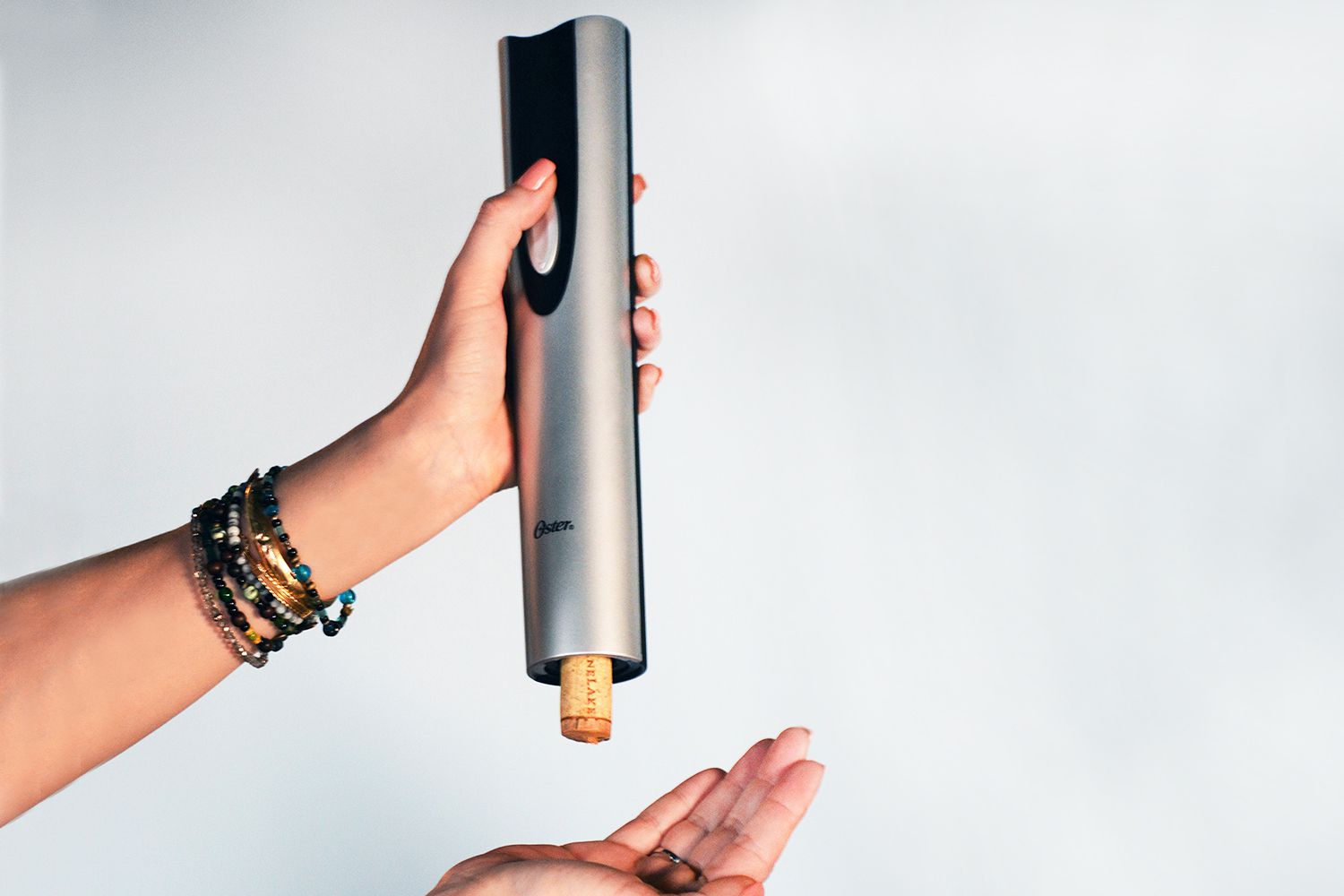
Non-Electric vs. Electric: Why Simplicity Often Wins
The debate between non-electric and electric wine openers often boils down to a few key factors:
- Reliability: Non-electric openers never run out of battery. Their mechanical nature means fewer points of failure.
- Portability: Manual openers, especially waiter’s corkscrews, are far more compact and ideal for travel or outdoor use.
- Cost: Generally, non-electric options are more affordable, offering excellent value and durability for their price.
- Control and Tactile Experience: Many wine enthusiasts prefer the physical engagement and control that manual openers provide, feeling more connected to the ritual.
- Maintenance: No charging cables, no battery degradation – simply clean and store.
While electric openers can be a blessing for those with arthritis or limited hand strength, or for rapid opening in commercial settings, for the everyday wine lover who appreciates the journey as much as the destination, the simplicity and grace of the best non-electric wine opener usually emerge victorious.
Finding Your Perfect Match: What to Look for in the Best Non-Electric Wine Opener
When selecting your ideal manual corkscrew, consider these elements:
- Material Quality: Look for durable stainless steel, robust plastics, or ergonomic wood handles. The quality of the worm (often Teflon-coated for smoother insertion) is crucial.
- Ergonomics: How does it feel in your hand? A comfortable, secure grip makes a significant difference, especially for waiter’s and lever-style models.
- Integrated Features: Does it have a reliable foil cutter? Is there a bottle opener if you need it? These added functions enhance convenience.
- Ease of Use vs. Skill: Be honest about your comfort level. A lever-style might be better if you want absolute ease, while a waiter’s corkscrew offers more finesse for those willing to learn.
- Budget: Non-electric openers are available at various price points, so you can find a high-quality option without breaking the bank.
Frequently Asked Questions About Non-Electric Wine Openers
Which non-electric wine opener is easiest to use for beginners?
For absolute beginners, a lever-style opener is often considered the easiest due to its mechanical advantage and minimal physical effort required. The winged corkscrew is also quite intuitive.
Can non-electric openers handle synthetic corks?
Yes, most non-electric wine openers, particularly those with sharp, well-designed worms (the spiral part), can handle synthetic corks effectively. Synthetic corks can sometimes be tighter, so a lever-style or a good quality waiter’s corkscrew with a strong fulcrum is recommended.
How do I remove a broken cork with a manual opener?
If a cork breaks, try to use an Ah-So (two-prong) opener, as it grasps the cork from the sides without further piercing. If you don’t have one, carefully reinsert a waiter’s corkscrew at an angle into the remaining cork and try to pull it out gently, often by twisting as you pull.
Are more expensive manual corkscrews really better?
Not always, but often. Higher-priced manual corkscrews typically feature better materials (like durable stainless steel or high-quality wood), more precise engineering, and smoother mechanisms, leading to greater durability and ease of use. However, there are many excellent value options that perform admirably.
What’s the best non-electric wine opener for travel?
The waiter’s corkscrew (sommelier knife) is universally considered the best non-electric wine opener for travel due to its compact, foldable design and multi-functionality, often including a foil cutter and bottle opener.
How often should I clean my corkscrew?
It’s best to wipe down your corkscrew after every use to prevent cork residue or wine stains from drying on the worm and other components. A deeper clean with mild soap and water can be done periodically or as needed.
Embrace the Classic Uncorking Experience
Choosing the best non-electric wine opener is a personal decision, reflecting your style, needs, and how you wish to engage with your wine. Whether you prefer the refined elegance of a waiter’s corkscrew, the effortless power of a lever-style, or the specialized touch of an Ah-So, there’s a manual opener perfectly suited for you. Embrace the simplicity, reliability, and satisfaction that only a non-electric wine opener can provide, transforming every bottle into a moment of mindful enjoyment. Try one today and rediscover the timeless art of uncorking.